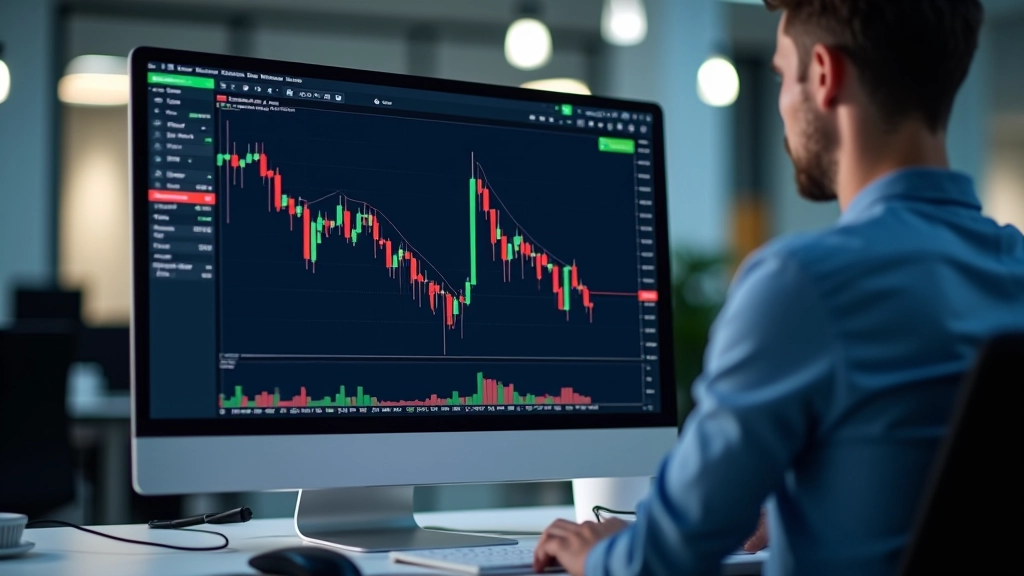
What Are Stocks, Bonds, and Commodities?
Breaking down the three main asset classes. We'll explain what you own when you invest in each one, how they work, and why traders pay attention to them.


Three Pillars of the Market
If you've ever looked at financial news or scrolled through trading platforms, you've probably heard these three terms thrown around. Stocks. Bonds. Commodities. They sound like they're from different worlds, and in some ways they are. But here's the thing — they're actually connected. Understanding what each one represents is the foundation for understanding how markets work.
These aren't just abstract financial concepts. They're real things. When you buy a stock, you're actually buying a piece of a company. When you buy a bond, you're lending money and expecting it back with interest. When you buy a commodity, you're trading something physical — oil, gold, wheat, whatever. Each one behaves differently, reacts to different news, and fits into portfolios for different reasons.

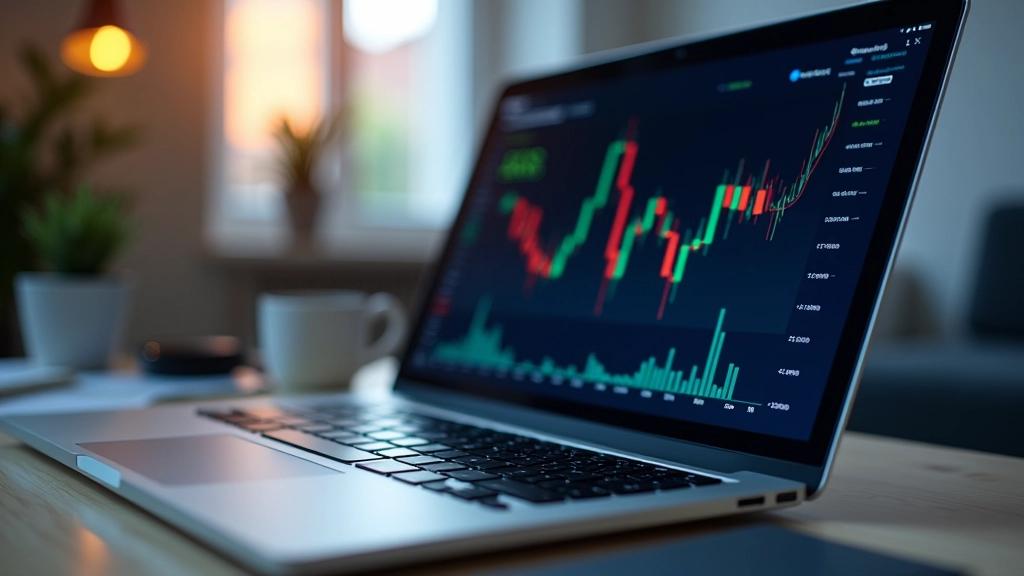
Stocks: Owning a Piece of Companies
When you buy stock in Apple, Tesla, or any company, you're buying actual ownership. Not a loan. Not a contract. Ownership. You own a tiny slice of that company, and you're entitled to a tiny slice of its profits. That's why stocks are sometimes called equities — they represent equity, or ownership stake.
Companies issue stock to raise money. They need cash for expansion, equipment, hiring. Instead of taking out a massive loan, they say, "We'll sell pieces of our company." Each piece is one share. If a company issues 1 million shares and you own 100, you own 0.01% of that company. Your voting rights and profit participation are proportional to what you own.
Stock prices move based on investor sentiment, company earnings, industry trends, and economic conditions. A trader might watch a company's quarterly earnings report, see strong revenue growth, and expect the stock to rise. Or they might see disappointing results and expect it to fall. That's the basic mechanism.
There's risk here. If the company does poorly, your shares lose value. If the company goes bankrupt, you're at the back of the line for whatever's left. But there's also potential reward. If the company thrives, your shares appreciate, and you might receive dividends — regular payments from company profits to shareholders.
Bonds: Lending Money for Guaranteed Returns
Bonds are fundamentally different. You're not owning anything. You're lending. When you buy a bond, you're loaning money to a government or corporation. They promise to pay you back the principal amount on a specific date, plus regular interest payments until then. That interest payment is called the coupon.
Let's say you buy a government bond for €10,000 with a 3% coupon and a 10-year maturity. Every year, you get €300. After 10 years, you get your €10,000 back plus the final coupon payment. It's predictable. It's lower risk than stocks because you're not betting on company performance — you're betting that the government or corporation can pay back their debt. That's usually a safer bet.
Bond prices move inversely to interest rates. If interest rates rise, existing bonds with lower coupon rates become less attractive, so their prices fall. If rates fall, existing bonds become more valuable. This is why bond traders watch central bank decisions closely.
There's still risk, but it's different. Credit risk — the risk that the borrower can't pay back. If a company's finances deteriorate, its bonds might be downgraded by rating agencies, and their value drops. Interest rate risk — the risk that rates change and your bond's value swings. Default risk — they simply don't pay. But generally, bonds are considered more stable than stocks. You're trading potential growth for relative safety.

This article provides educational information about asset classes for learning purposes. It's not investment advice. Markets involve risk, and individual circumstances vary. Before making any investment decisions, consider consulting with a qualified financial advisor. Past performance doesn't guarantee future results. Always do your own research and understand what you're investing in.

Commodities: Trading Raw Materials
Commodities are different still. They're raw materials or primary agricultural products that are standardized and interchangeable. Oil. Gold. Wheat. Copper. Coffee. These are things you can physically hold. A barrel of oil from one supplier is essentially the same as a barrel from another. That standardization is what makes them tradeable on exchanges.
Commodity prices are driven by supply and demand. If there's a bad harvest, wheat prices rise. If a new oil field opens up, oil prices might fall. Geopolitical events, weather, industrial demand — they all influence commodity prices. A trader might buy oil futures betting that a hurricane will disrupt supply. Or they might short agricultural commodities if they expect a bumper crop.
Energy commodities (oil, natural gas), metals (gold, silver, copper, iron), and agricultural commodities (wheat, corn, soybeans, coffee). Each responds to different market forces. Gold often moves inversely to stock markets. Oil correlates with economic growth expectations.
Most individual traders don't actually take delivery of 1,000 barrels of oil. Instead, they trade commodity futures — contracts to buy or sell at a set price on a future date. Or they trade commodity ETFs — funds that track commodity prices. The leverage in futures markets means small price moves create big profit or loss swings. That's exciting and risky.
How They Connect: The Bigger Picture
Here's what's important — these asset classes don't move independently. They're interconnected. When interest rates rise, stock valuations often compress because future earnings are worth less in today's money. Bond prices fall for the same reason. But commodity prices might stay stable or even rise if the rate increase reflects inflation fears.
A skilled trader watches all three. A weakening currency makes commodities more expensive for foreign buyers, affecting demand. Strong economic growth typically boosts stock prices and commodity demand while sometimes pushing bond yields higher. These relationships aren't rigid — they change based on circumstances — but they're real patterns that traders track constantly.
Understanding asset classes gives you a framework for thinking about markets. Instead of seeing isolated price moves, you start seeing connections. A gold rally might signal inflation concerns. Rising bond yields might indicate economic optimism or central bank tightening. Stock market weakness might reflect expected earnings cuts. These aren't mysterious. They're consequences of how these asset classes work.

Starting Your Understanding
Stocks, bonds, and commodities aren't just jargon. They're three fundamentally different ways to participate in markets. You're either owning a business (stocks), lending money (bonds), or betting on raw material supply and demand (commodities). Each has its own mechanics, risks, and opportunities.
Most beginners start by learning stocks because they're intuitive — you own something, it goes up or down. But serious traders understand all three. They recognize how they interact. They know which asset class typically benefits from specific economic scenarios. That knowledge gives them an edge.
This is foundation material. You're not ready to trade yet. But you're building the mental models that experienced traders use. The next step is diving deeper into each asset class — understanding valuation methods for stocks, yield calculations for bonds, and supply-demand dynamics for commodities. That's where the real learning accelerates.